10x10 Block Puzzle Challenge
About
10x10 Block Puzzle Challenge offers a relaxing yet mentally stimulating experience. The simple drag-and-drop controls make it easy to start, while the strategic depth keeps it interesting. The lack of time pressure allows for thoughtful play, and the clean interface helps maintain focus. It is ideal for puzzle fans who enjoy logic and pattern recognition.
Game Introduction
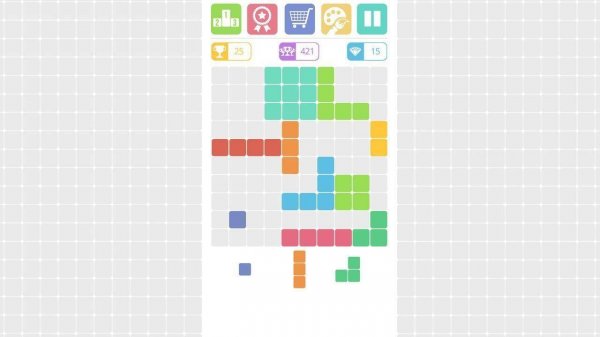
10x10 Block Puzzle Challenge is a puzzle game where players arrange blocks on a ten-by-ten grid. The main goal is to fill entire rows or columns with blocks to clear them and earn points. Each block has a unique shape, and careful placement is key to success. The game encourages planning ahead and making the best use of available space. There are no time limits, so players can think through each move at their own pace. This makes the experience relaxing while still providing a mental workout. The clean and colorful interface helps players focus on the puzzle without distractions. It is easy to learn but offers depth for those who enjoy strategic thinking and pattern recognition.
How to Play
Players are shown three blocks below the grid. They can drag and drop each block onto the grid, rotating it if needed. The goal is to fill entire horizontal or vertical lines. When a line is complete, it disappears and adds to the score. After each placement, new blocks appear. If no block can be placed, the game ends. Planning placements to clear multiple lines at once can lead to higher scores. The game continues as long as blocks can be placed, offering endless play.
Game Features
The game includes simple drag-and-drop controls for easy interaction. It offers endless challenges with randomly generated block sets. The interface is clean and colorful, designed for clarity and focus. It is suitable for play on various devices, making it convenient for short breaks or longer sessions. The game provides a satisfying mental workout without pressure or time constraints.
Tips for Success
Keep the board as open as possible by clearing lines early. Avoid stacking blocks in the center, as this can limit options. Practice recognizing block shapes quickly to speed up decision-making. Over time, develop strategies for creating multiple line clears at once. Regular play helps improve pattern recognition and spatial planning.