Little Hazel's Day with Baby Brother

Reviews
Little Hazel's Day with Baby Brother is a thoughtfully paced caregiving activity for young children. Its strengths lie in intuitive controls, warm visuals, and a repetition loop that reinforces patience and observation without pressure. The game suits parents seeking a calm, non-competitive experience for early learners. The main limitation is its narrow scope: it focuses on a handful of everyday tasks rather than a broad variety of activities, so its appeal depends on how much a child enjoys nurturing play.
Description
Everyday Caregiving Moments
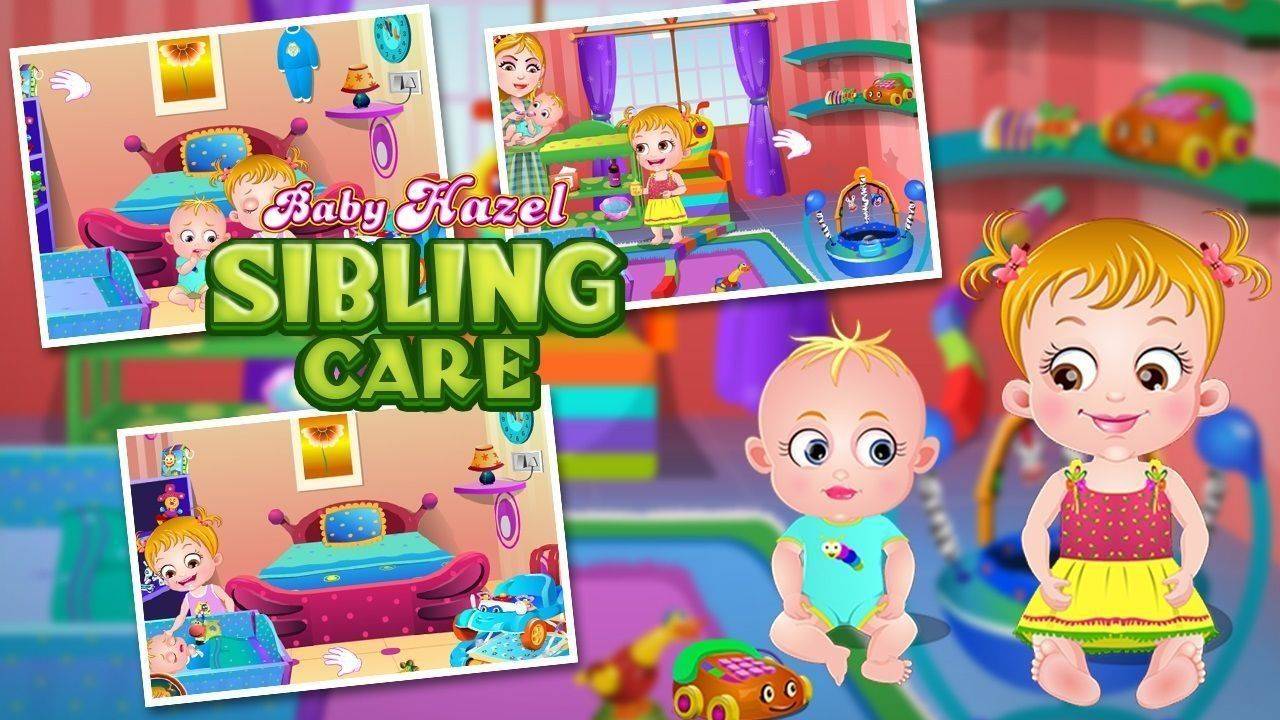
Little Hazel's Day with Baby Brother centers on a simple premise: a young girl named Hazel looks after her little brother while their parent is occupied. Players step into Hazel's role and handle everyday tasks such as picking playthings, preparing light snacks, and keeping an eye on the younger child as he moves around. The game treats these moments as natural and relatable, showing children what it means to be helpful and attentive without making the tasks feel like a chore.
Simple Controls for Small Hands
The interface uses basic clicks and drags, which suits children who are still developing fine motor skills. Players select an item by tapping or clicking, then move it to the correct spot. There is no complex menu or text-heavy instruction, so kids can start playing right away. When a step is missed, the game gives responsive feedback that encourages another try rather than punishing the mistake.
Learning Through Playful Repetition
Repeating activities is a core part of the experience. Each time a player completes a task, they earn a small reward. This loop encourages children to practice the same caring actions multiple times, reinforcing patience and observation. Over repeated play, kids naturally become more efficient at anticipating what the younger brother needs. The game frames this repetition as a chance to improve and feel proud of growing abilities, not as busywork.
Visual Warmth and Friendly Design
The art style uses bright, rounded shapes and soft colors aimed at young audiences. Characters have expressive faces that show happiness, surprise, or contentment, helping children read emotional cues. Backgrounds are simple and uncluttered, keeping attention on the characters and their interactions. This visual approach creates a calm atmosphere where children feel safe to explore and make mistakes without frustration.






Editorial Notes