Fashion Friends Outfit Planner

Reviews
Fashion Friends Outfit Planner is built around a clear loop: dress three friends, coordinate their outfits, then choose an outing location that suits the looks you created. The drag-and-drop interface and visual prompts make it accessible to children who cannot yet read fluently. Its strengths are the absence of pressure mechanics and the way color and pattern choices invite light creative thinking. The main limitation is scope: the input describes a single-session activity rather than a progression system, so players who want long-term goals may find it brief.
Description
Dressing Three Distinct Friends
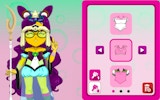
Fashion Friends Outfit Planner asks players to dress three friends, one at a time. Each friend has a personality that shapes which clothing combinations feel right, so the same wardrobe pieces can read differently depending on who is wearing them. The game uses drag-and-drop controls, and visual cues show where items can be placed. There is no text-heavy instruction to slow things down, which keeps the focus on choosing pieces rather than reading menus.
Mixing Tops, Bottoms, and Accessories
The wardrobe is organized into tops, bottoms, dresses, shoes, and accessories. Players can combine colors and patterns freely, which turns each outfit into a small design decision. Because each friend has a distinct look, children are nudged to consider how separate pieces work together, not just whether a single item is appealing. Experimenting with contrasting patterns or complementary shades adds a light problem-solving layer without turning the activity into a test.
Choosing an Outing Location
Once all three friends are dressed, the player selects a location for their outing: a sunny beach, a cozy café, or a lively park. The choice gives the session a narrative close, and it invites children to think about whether the outfits suit the setting. Each location is shown as a cheerful illustration, so the decision stays visual and immediate rather than abstract.
A Friendship-Focused Ending
The game ends with a scene of the three friends enjoying their day at the chosen location. That final image ties the styling work to a social moment, reinforcing cooperation and time spent together. The message arrives through the scene itself rather than through a lecture, which keeps the tone gentle and the reward tied to what the player just created.






Editorial Notes