Cell Defense Immune Strategy
Reviews
Cell Defense Immune Strategy delivers a focused blend of tower-defense-style tactics and educational biology. Its strength lies in making abstract immune concepts tangible through unit placement and resource decisions. The gradual difficulty curve suits players who enjoy planning under pressure. However, the game's appeal may be narrower than a pure action title, as its educational core and microscopic setting are central rather than cosmetic. It is best for strategy fans curious about biology.
Description
Defending a Living Cell
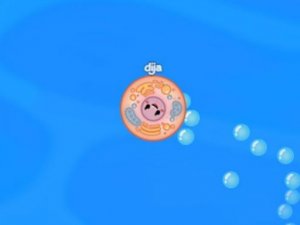
Cell Defense Immune Strategy casts you as a commander inside a microscopic environment. Your objective is to protect a single living cell from successive waves of harmful microorganisms, including viruses and bacteria. Each wave threatens the cell's integrity, and you must assess incoming threats before deploying defensive measures. The game combines real-time tactical decision-making with educational content about the immune system, so each encounter reinforces biological concepts alongside strategic choices.
Placing Units and Managing Resources
You begin by positioning initial defensive units at key points around the cell. As enemy waves approach, you can deploy additional units to counter specific threats. Resources are earned by successfully neutralizing invaders, then spent to enhance existing units or unlock new defender types. The cell's health bar acts as a critical indicator; if it depletes completely, the game ends. Each wave introduces different enemy behaviors and attack patterns, requiring you to adjust tactics on the fly. Balancing immediate defense with resource conservation for later, tougher encounters is central to survival.
Enemy Variety and Adaptive Play
Different enemy types demand different counter-strategies, promoting adaptability and critical thinking. Some waves bring faster or more resilient microorganisms, pushing you to refine unit placement and upgrade priorities. The game's levels are structured to gradually increase in difficulty, providing a steady learning curve. Vibrant, detailed visuals bring the cellular environment to life, making the microscopic setting feel active and readable during fast-paced moments.
Learning Through Play
The educational aspect introduces concepts related to the immune system and cellular biology without pausing the action. Because threats mirror real biological processes, players absorb information about how defenses respond to pathogens. Whether you are a seasoned strategist or new to the genre, the game rewards careful planning and quick reactions. Replaying earlier levels helps refine your approach and improve overall performance.








Editorial Notes