Poolside Dodgeball Fun

Reviews
Poolside Dodgeball Fun works best as a casual arcade game for families and younger players. Its strengths are clear: simple controls, quick matches, and a friendly pool setting that avoids intense sports pressure. The two-player head-to-head option suits local play. The main limitation is that the available description leaves some details unconfirmed, such as the exact number of modes and whether career progression is fully included.
Description
Poolside Arcade Dodgeball
Poolside Dodgeball Fun takes the basic idea of dodgeball and moves it to a bright pool setting. Players throw a ball at an opponent with the goal of knocking them off balance or scoring points. The emphasis is on quick reactions and coordination rather than complex rules. Matches are short and playful, designed to be picked up without a long learning period.
Throwing, Aiming, and Staying Balanced
During a match, each player moves around the pool area and throws a ball at the other player. A well-placed throw can shift the momentum quickly, so timing and aim matter more than raw speed. Because the objective is to unbalance the opponent or score, players need to watch their own positioning as well as their opponent's. The controls are intentionally simple, letting new players start within seconds.
Game Modes and Customization
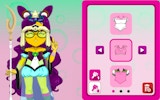
Several modes add variety. A wrestling-style mode focuses on knocking opponents over for points. A soccer-inspired mode asks players to score goals instead of only unbalancing the other player. A career mode may be available for longer progression. Player customization options let users personalize their characters, and the straightforward controls keep every mode accessible to different skill levels.
Playing with Another Person
Two players can compete head-to-head, which makes the game a natural fit for local multiplayer sessions. The pool theme and lighthearted tone keep competition friendly rather than intense. Quick matches suit short breaks, and the simple mechanics mean both players can focus on reading each other's movement instead of memorizing controls.







Editorial Notes