Animal Puzzle: Find the Odd One
Reviews
Animal Puzzle: Find the Odd One delivers exactly what its name suggests: grids of similar animals where one differs subtly in color, expression, or posture. The tap-to-select control and clear feedback make it approachable for all ages. Difficulty scales by making differences harder to spot, and a timer may add score pressure. The main limitation is variety—if you dislike pure visual search, the loop may feel repetitive. It suits casual players and families seeking a calm brain-training activity.
Description
What You Actually Do Each Round
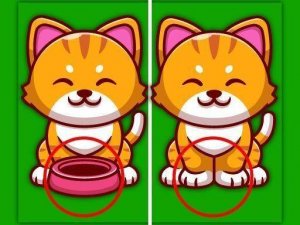
Every level presents a collection of animal images arranged in a scene or grid. Almost all of them match; one differs slightly in color, facial expression, or body posture. Your only task is to tap or click that single mismatched animal. There are no complex controls, no inventory management, and no movement mechanics. The entire loop is scan, compare, select, and receive feedback.
How Difficulty and Scoring Interact
Early levels make the difference obvious. Later levels reduce the contrast, so the odd animal may differ by only a slight shift in hue or a tiny change in posture. A timer may be present to encourage quick decisions, and faster correct selections generally earn higher scores. The game typically confirms whether your choice was right or wrong, which lets you learn from mistakes without penalty. This structure means the challenge comes from visual attention, not from reaction time or memorization.
Who This Suits and How to Approach It
The cute animal graphics and simple tap controls make the game accessible to children and adults alike. Because there is no failure state beyond a wrong tap, it works well for short breaks or longer focused sessions. A practical approach is to scan the whole grid systematically rather than staring at one area. Comparing animals in pairs or moving row by row can expose differences that a random glance misses. Staying calm and avoiding rushed taps usually beats speed alone, especially once the differences become subtle.








Editorial Notes