Aquatic Ascend Fish Eater
Reviews
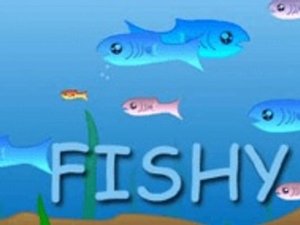
Aquatic Ascend Fish Eater keeps its scope narrow and executes it well. The one-life structure gives every movement consequence, and the absence of a map or indicators turns observation into the main skill. The blue underwater palette and simple fish shapes make sizes easy to read. The limitation is equally clear: no save system, no upgrades, and no narrative, so players seeking long-term progression or variety may find it thin. It suits anyone wanting a calm, skill-based arcade loop in short bursts.
Description
A Single-Life Growth Loop
Aquatic Ascend Fish Eater is built around one rule: consume fish smaller than you, and avoid everything larger. You begin as a very small fish in a large underwater environment. Each successful meal increases your dimensions, which lets you target slightly larger prey. There are no extra lives or continues, so a single mistake resets progress to the beginning. That structure gives every movement weight and pushes careful planning over reckless speed.
Reading the Water
Movement uses the keyboard arrow keys, giving direct control over your fish's direction. Fish of different sizes are scattered throughout the area, and food sources are not always immediately visible. Because the game provides no map or size indicators, you rely on your own observation to judge which fish are safe to approach. Learning to scan the surroundings quickly becomes the core skill, and recognizing safe distances and efficient routes replaces any need for complex instructions.
Risk, Reward, and One Chance
Each round offers one attempt. The tension between growth and survival comes from deciding when to push forward to eat and when to retreat. A larger fish nearby is not just an obstacle; it changes the value of every smaller fish you can reach. Over time, players develop a feel for optimal paths through the environment. The challenge stays consistent, but player skill improves, which keeps repeated attempts meaningful without a save system or persistent upgrades.
Presentation and Accessibility
The visuals use a classic blue underwater palette with simple fish designs. Clean shapes and readable sizes help you identify threats quickly, while a static background keeps attention on the action. The audio is minimal and non-intrusive, supporting a relaxed yet focused tone. Controls are limited to arrow keys, and there is no violent content or complex narrative, making the game approachable for all ages and suitable for short sessions.








Editorial Notes