Word Link Challenge
Reviews
Word Link Challenge sticks to a single, well-defined loop: arrange jumbled letters into valid English words. Its strengths are the gradual difficulty curve, the absence of time pressure, and a hint system that nudges rather than solves. The clean interface supports longer sessions. It best suits students, language learners, and casual players who want steady spelling practice, though anyone seeking fast-paced or competitive word play may find the pace too gentle.
Description
Core Letter-Matching Loop
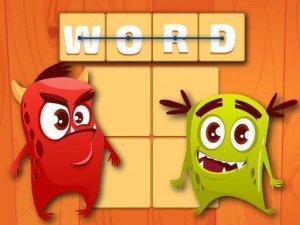
In Word Link Challenge, each puzzle presents a set of jumbled letters. The player's task is to identify which letters form a valid English word and select them in the correct order. Interaction is handled through simple tap or drag gestures across the letters. When a selection is completed, the game immediately confirms whether the word is valid, giving clear feedback that either advances the puzzle or prompts another attempt. This cycle of scanning, selecting, and verifying repeats throughout the game and forms the basis of every session.
Stage Progression and Difficulty Curve
Puzzles are organized into stages that grow more demanding over time. Early stages use shorter words and common letter patterns, which keeps the opening accessible. Later stages introduce longer words and less frequent letter combinations, requiring a wider vocabulary and closer attention to detail. Completing one stage unlocks the next, so progress is always visible. No timers or scoring pressure are applied, letting players work through puzzles at whatever pace suits them.
Hints and Learner Support
For puzzles that resist solving, Word Link Challenge provides a hint option that reveals a single letter of the target word. This partial reveal keeps momentum going without handing over the full answer. The design encourages players to attempt the word independently before using a hint, which supports vocabulary recall and spelling confidence over time.
Interface and Visual Approach
The layout is deliberately uncluttered: letters are displayed clearly and are easy to select, and the color scheme and typography are chosen to limit visual strain during longer sessions. Touch and click responses are immediate, so forming words feels precise. The interface avoids unnecessary animation or distraction, keeping attention on the letter arrangement itself.






Editorial Notes