Loom Craft: Triple Pattern Bracelet Studio
Reviews
Loom Craft: Triple Pattern Bracelet Studio delivers a focused creative experience: pick colors, follow a repeating pattern, place bands, and finish with a clasp. The absence of timers and penalties makes it welcoming for younger players or anyone seeking a low-stress activity. Progression through unlocked palettes and charms gives structure without competition. Its main limitation is narrow scope—anyone wanting scoring, challenges, or multiplayer will not find it here. The game is best understood as a digital version of real loom band crafting, emphasizing personal expression over achievement.
Description
Weaving by Pattern
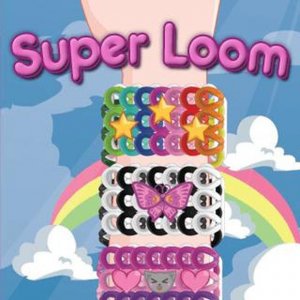
Each bracelet starts with a base color. From there, you choose additional colors to form the triple pattern and place bands row by row. Visual guides show exactly where each band belongs, so the challenge is not guesswork but careful sequencing. Tap or click to set a band, and the game confirms correct placement before moving on. Because there is no timer and no penalty for mistakes, you can rearrange or redo sections freely. The pattern itself becomes a small logic puzzle: one misplaced color breaks the repeat, so attention to order matters more than speed.
Unlocking Colors and Charms
Completing bracelets expands your options. New color palettes and decorative charms become available as you finish more projects. That progression is tied directly to making things rather than to scores or levels. A charm collection grows over time, and you decide where to attach each piece on a finished bracelet. This gives every design a personal signature, even when two players follow the same pattern.
Your Personal Gallery
Finished bracelets are stored in a gallery where you can view everything you have made. The gallery turns a series of small crafting sessions into a visible record of your color choices and style. Since the game runs at a relaxed pace, it suits short breaks as well as longer creative stretches. The interface uses clear prompts and simple controls, so the focus stays on arranging colors and patterns rather than navigating menus.








Editorial Notes