Clay Target Precision Game
Reviews
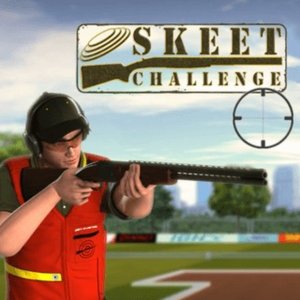
Clay Target Precision Game strips shooting down to its purest skill: timing. There are no enemies or story, just launched targets and a shrinking window to break them. The stage-based pattern changes give it more depth than a simple reaction test, and the scoring system encourages repeat attempts. It suits players who enjoy precision sports and want a calm, non-violent challenge. The main limitation is that the core loop may feel repetitive to those seeking variety beyond score chasing.
Description
Core Shooting Loop
Clay Target Precision Game puts players in a straightforward cycle: wait for a clay target to launch, move the aim with a cursor or touch input, and break the target before it falls. Every successful hit adds to the score. The challenge comes from the brief window between launch and landing, so timing matters as much as where you point. There is no violence or combat, just a clean test of hand-eye coordination.
Stage Patterns and Difficulty
Each stage introduces new target patterns. These patterns require players to observe how targets move and adjust their aim accordingly. As stages progress, the difficulty increases, demanding faster reactions and more precise aim. The variety in patterns keeps the game from becoming a single repeated motion, and replaying stages is allowed for anyone chasing a higher score.
Scoring and Feedback
A scoring system tracks performance across attempts. Successful hits are confirmed through visual and audio feedback, which reinforces the sense of accomplishment and helps players learn from each shot. Because the game rewards focus and pattern recognition, repeated play naturally builds better prediction of target paths.
Controls and Accessibility
Controls are simple and intuitive, using a cursor or touch input to aim. This low barrier means players can concentrate on timing and accuracy rather than memorizing complex inputs. The game is designed to be safe and suitable for all ages, with no violent themes, making it a positive environment for skill-based play.






Editorial Notes