Naval Defense Challenge
Reviews
Naval Defense Challenge keeps its scope tight: aim, shoot, dodge, and grab power-ups. The changing enemy patterns and rising difficulty give it replay value for short sessions, and the browser format removes setup friction. It is best suited to players who enjoy reflex-driven arcade action rather than deep strategy. The main limitation is that the description does not confirm extra modes, so long-term variety depends on the core loop alone.
Description
Commanding Your Vessel
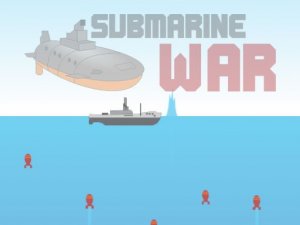
Naval Defense Challenge puts you at the helm of a ship in hostile waters. Your job is to spot submerged enemies, fire your ship's blasts to neutralize them, and avoid the projectiles they launch back. The screen shows both your vessel and the underwater threats, so you are constantly reading two layers of action at once. Each successful hit earns points, and the game steadily adds more adversaries as you progress.
Reading the Water
Enemy behavior changes from round to round, so pattern memorization only gets you so far. Some foes surface briefly before firing; others stay hidden longer. You need to track where shots originate and move your ship out of the line of fire. Special items appear during play and grant temporary advantages, which can turn a losing round around if you grab them at the right moment.
Controls and Accessibility
Movement and aiming use standard mouse or keyboard input, and there is no lengthy tutorial. The learning curve comes from timing and accuracy rather than complicated inputs. Because it runs in a web browser without downloads, you can start a session quickly and stop whenever you need. The game is designed to be family-friendly, with no graphic content.
Who It Suits
Short rounds and escalating difficulty make Naval Defense Challenge a good fit for players who enjoy arcade reflex games but want something less demanding than a full strategy title. The mix of dodging and aiming rewards calm, quick reactions. If you prefer slow, deliberate planning, the pace may feel too fast; if you like chasing high scores in brief bursts, the format works well.








Editorial Notes