Princess Fashion Stylist
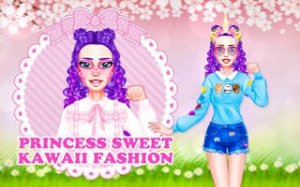
Kids Junior Princess Fashion Styling Dress-Up Kawaii
Princess Fashion Stylist
48
Developer: Fable Core Dev
Published: 1723305600
Updated: 2026-09-30

Reviews

Princess Fashion Stylist targets young children who enjoy fashion play. Its strengths are the open-ended format, pastel wardrobe, and drag-and-drop controls that suit early learners. The lack of scoring keeps the focus on experimentation. The main limitation is that the source describes only one model and no progression system, so players who want goals or unlocks may find it too simple.

Description

A Playground for Kawaii Style

Princess Fashion Stylist is built for children who like mixing colors and patterns. The wardrobe leans on pastel shades—pink, green, yellow, and blue—and includes dresses, tops, bottoms, shoes, and accessories. Prints featuring familiar characters add a playful layer to each outfit. Because the game treats every combination as valid, players can test ideas without worrying about a score or a timer.

Building an Outfit Step by Step

Styling starts with Princess Eliza as the model. Players browse tabs for each clothing category, then drag items onto her. After the main outfit, the salon lets them pick a hairstyle and color, and the makeup room adds sparkling cosmetics. The goal is to harmonize clothing, hair, and makeup into one kawaii look. The controls stay simple enough for young players to use on their own.

Customization That Rewards Curiosity

Bright hair colors and a range of accessories give each look a distinct feel. Mixing patterns and textures is part of the fun, and layering accessories can change the mood of an outfit. Since the game never marks a choice as wrong, the real progression comes from discovering which combinations feel right. That open-ended structure suits players who enjoy fashion play and self-expression.

Editorial Notes

✅ Compatibility & Testing

• Desktop (Windows 11, macOS Ventura)
• Mobile (iPhone 14, Samsung Galaxy S23)
• Tablet (iPad Pro, Android tablet)
✅Supported browsers: Chrome, Safari, Edge, Firefox (latest versions)
❌ Not supported: Internet Explorer, older browser versions

Faq

What age group is Princess Fashion Stylist designed for?
The game is aimed at children, with tags for Kids and Junior. Its simple drag-and-drop controls and lack of wrong choices make it accessible for younger players. Older children who enjoy fashion and kawaii style can also play, but the content and difficulty are tailored to a young audience.
Can players choose a different model besides Princess Eliza?
Based on the available information, Princess Eliza is the only model mentioned. The game focuses on styling her with different outfits, hairstyles, and makeup. If additional models exist, they are not described in the source material, so players should expect to work with Eliza as the main character.
Is there a scoring system or any way to lose in Princess Fashion Stylist?
No. The game is described as having no wrong choices and only endless combinations. There is no scoring, timer, or fail state. The purpose is creative expression, so players can mix and match freely without pressure. This makes it a relaxed experience rather than a challenge-based game.
What customization options are available in the salon and makeup room?
The salon lets players choose a hairstyle and hair color, including bright options. The makeup room offers sparkling cosmetics to apply. These features work alongside the clothing wardrobe, which includes dresses, tops, bottoms, shoes, and accessories. Together they let players build a complete kawaii look.
Does Princess Fashion Stylist require an internet connection or in-app purchases?
The provided information does not mention online connectivity or in-app purchases. It describes a self-contained dress-up game. Players should check the app store listing for their specific platform to confirm whether any additional requirements or purchases exist before downloading.
Are there any educational benefits for children in this game?
The game encourages creativity and self-expression through color mixing, pattern combination, and outfit coordination. While it is not marketed as an educational tool, the open-ended styling process can help children practice decision-making and visual matching. Parents looking for a low-pressure creative activity may find it suitable.