School Bus Spot the Differences
Reviews
School Bus Spot the Differences delivers a straightforward observation puzzle with a fixed seven-difference target per level. The timer and optional hints create a light risk-reward decision without adding stress. Colorful school bus scenes and a no-reading interface make it easy for families and younger players to join. The main limitation is the lack of variety beyond the core compare-and-tap loop, but for short sessions it works well.
Description
Comparing the Two Scenes
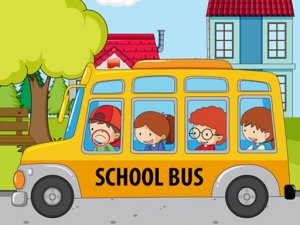
Every level in School Bus Spot the Differences places two near-identical images side by side. Both show cheerful school bus scenes set in locations such as parks, driveways, and school zones. Your task is to locate seven differences between the pair. The changes can involve colors, shapes, object positions, or small details within the scene. Clicking or tapping a difference highlights it and marks your progress. The game requires no reading or prior puzzle experience, so players of any age can start immediately.
Pressure and Assistance
A timer runs during each level, adding a light sense of urgency without becoming punishing. If time runs out, you can replay the level. When a difference proves difficult to spot, a hint system is available, though using hints may reduce your score. This creates a trade-off: rely on your own observation to protect your score, or accept a lower score to keep moving. The controls respond well on both desktop and mobile devices, so the same tap-or-click approach works across platforms.
Progression and Challenge
As you advance, the images become slightly more complex, making differences harder to find. The core loop stays consistent—compare, spot, tap—but the increasing visual density keeps the game from feeling repetitive. Each level still contains exactly seven differences, so if you have found fewer, the remaining ones are still hidden in the scene. This fixed count gives you a clear goal and a way to know when a level is complete.
Who It Suits
School Bus Spot the Differences is designed for families, casual players, and anyone wanting a short mental break. The school bus theme and colorful scenes keep the tone light, while the observation challenge offers a gentle workout for focus and visual attention. It works well for quick sessions, and the lack of text makes it easy for younger players to join. Puzzle enthusiasts looking for a relaxed brain teaser will find a straightforward but engaging experience.








Editorial Notes