Sprunky Dunky Music Mixer
Reviews
Sprunky Dunky Music Mixer delivers exactly what its name suggests: a bright, casual space for combining sounds without rules or scores. The drag-and-drop board makes layering beats intuitive, and instant audio feedback keeps experimentation rewarding. It suits younger players, families, and anyone seeking a low-stakes creative break. The main limitation is the absence of goals or progression, which may not appeal to players who prefer structured challenges. Within its niche, it is a focused and accessible tool for musical play.
Description
Making Music with Simple Drags
Sprunky Dunky Music Mixer turns music-making into a direct, tactile activity. A set of sound icons sits on the screen, each representing a beat, melody, or effect. Players drag any icon onto a mixing board, and the game immediately plays that sound as part of the current mix. There is no timeline to align or notes to read. The board becomes a live instrument where placement and combination are the only inputs.
Layering and Experimentation
The core loop is additive: start with one sound, then stack others on top. Because every addition is audible right away, players can hear how a new element changes the overall rhythm. Removing or swapping icons is just as quick, so the mix can shift direction at any moment. The game imposes no rules about which sounds belong together, which means unusual pairings are allowed and often produce the most interesting results. This open structure keeps the focus on curiosity rather than correct answers.
Visual and Audio Feedback
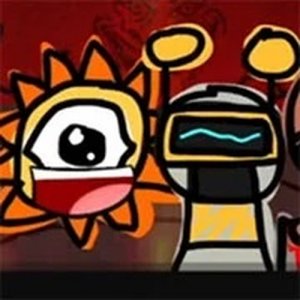
Bright colors and a cheerful visual style make the interface approachable for younger players and casual users. The audio feedback is instant, so there is no delay between an action and its result. That immediacy helps players connect cause and effect without needing musical training. The overall presentation stays light and uncluttered, keeping attention on the sounds themselves rather than on menus or scores.
Who It Suits
Sprunky Dunky Music Mixer works well for anyone who wants a low-pressure creative outlet. It is easy to pick up for a few minutes or to spend longer sessions refining a mix. Because there are no fail states or strict objectives, it also suits group play where several people take turns adding sounds. The lack of rules does mean players who prefer guided goals or progression systems may find it too open, but for free-form experimentation it delivers exactly what it promises.








Editorial Notes